Japan confirmed on Monday it had carried out yen-buying intervention on Friday with the U.S. Treasury department. But rather than buying yen and selling dollars, two market sources told Reuters the Treasury had instead bought yen for euros, confirming an earlier Financial Times report.
Dollar Devaluations (1971–1973): Through the December 1971 Smithsonian Agreement and another devaluation in February 1973, the U.S. formally devalued the dollar against gold and strong European currencies (like the German mark and Swiss franc), dropping the overall value of the dollar and making foreign goods more expensive for Americans. Over the course of the 1970s, the cumulative decline of the U.S. dollar against major floating currencies was substantial (totaling roughly a third in overall depreciation over the decade)
Tanel kirjutas:
Ta elab vist tõelises kajakambris
Mhm, üldiselt on USA pikka aega olnud allakäigu spiraalis ja selliste protsesside tagajärjed avalduvad pika aja jooksul ja tavaliselt mingis kriisi olukorras:
https://www.youtube.com/watch?v=GHGUwyPXYjE https://www.youtube.com/watch?v=CgEDT57yIjk
Trump lubas kõiki jalaga perse peksta ja nii ta teeb. Vot nii asjad käivad kui liiga palju inimkõntsa ja parasiite lubatakse võimu juurde
Ja niimoodi hakkab ka meil Eestis olema kui me lubame liiga palju inimsaasta võimu juurde. Neid tuleb toorelt laiali peksta. Ilma vabandust palumata
Sest nemad vabandust ei palu kui nad meid paljaks varastavad _________________ So, at the end of the day, after I have butchered all the nvidiots all around me, standing alone in a pool of blood surrounded by the corpses of my victims, a horrible truth reveals itself to me: I am an amd\ati fänboy...and I must do my dark masters bidding, for I am damned for all eternity...
Ta on kindlasti ka putiniga sellel teemal rääkinud, et kuidas jääda võitma valimisi. _________________ Alati teadke, et kuulujutte mõtlevad välja vihkajad, levitavad lollid, aga usuvad idioodid.
California osariigi kütusekriis (regulatiivselt kõrgemad hinnad ja rafineerimistehaste ideoloogiline sulgemine) on nüüd küll rohkem demokraatide pärusmaa, sest ajalooliselt on California demmide kants.
Senise 20% impordi asemel hakatakse Indiast importima 40% kütustest. Ja India kütused on suures osas rafineeritud Venemaa toornaftast..
Esiteks on see suht perversne juba oma olemuselt, teiseks võib mõelda, mis saama hakkab, kui see tarneahel peaks katkema.. _________________ Hinnavaatlus.ee - leia parim hind! HV-s ID-kaardiga autentimine
CNN: "Your approval rating with Latinos has dropped down to 27%."
Trump: "I'm doing great, no, no. You're CNN, you're fake news. My poll numbers are great.…CNN's poll numbers are fake and your whole outfit is fake, and so are you."
---
REPORTER: Why are you telling your supporters to vote by mail if you think it's fraud?
TRUMP: I'd rather have them vote in person, but they can vote by mail if they want. But there is a lot of cheating in vote by mail.
REPORTER: There's no evidence
TRUMP: You are fake news
California osariigi kütusekriis (regulatiivselt kõrgemad hinnad ja rafineerimistehaste ideoloogiline sulgemine) on nüüd küll rohkem demokraatide pärusmaa, sest ajalooliselt on California demmide kants.
Senise 20% impordi asemel hakatakse Indiast importima 40% kütustest. Ja India kütused on suures osas rafineeritud Venemaa toornaftast..
Esiteks on see suht perversne juba oma olemuselt, teiseks võib mõelda, mis saama hakkab, kui see tarneahel peaks katkema..
Kas see kütusekriis puudutab ka sealseid EV omanike? _________________ All it took was for a lot of seemingly decent people to put the wrong person in power, and then pay for their innocent choice.
Kas see kütusekriis puudutab ka sealseid EV omanike?
Jah, diiselrekad + muu kõikvõimalik logistika, mis suures osas fossiilsetel kütustel põhineb.
Kaudselt ka julgeolekuliselt, sest California rafineerimistehaste toodangut kasutab ka USA armee, varustatakse Nevada osariiki jne.
Lähemalt lahti seletatud nendes ülaviidatud videodes. _________________ Hinnavaatlus.ee - leia parim hind! HV-s ID-kaardiga autentimine
We can't continue to rely on large percentages of the world's energy coming from a part of the world that often finds itself in conflict.
tsitaat:
Marco Rubio: “We would never violate the sovereignty of any country. We don't violate the sovereignty”
While Marco Rubio was in office the US attacked Venezuela, Iran, Yemen, Iraq, blockade on Cuba, massive pressure on Denmark to hand over Greenland etc…
Suudimatu debiil
tsitaat:
Q: How do you define socialism?
Vance: I don't know what the term means anymore. I think in reality, what it actually means in the American context is that you want to replace American workers with foreign workers & you want boys to play in girls' sports
Vance: I don't know what the term means anymore. I think in reality, what it actually means in the American context is that you want to replace American workers with foreign workers & you want boys to play in girls' sports
Mul vanaema ikka rääkis et mida vanemaks saad seda lapsemaks muutud. Näeme protsessi reaalajas. _________________ Ma ei saa sellest aru, järelikult on see vale.
Nagu ainult Trumpi ümber tiirlevad naised oleksid sellise spetsiifilise välimusega. Eelkõige seostaks seda Hollywoodiga, kus vananevad staarid järjest julgemalt ilukiruriga teenuseid tarbivad. Üks spetsiifiline protseduur on vist "buccal fat removal" kus põskedest võetakse rasva ära, et tekiks selline tulnuka nägu.
Ma paneks selle termini samasse patta selle "Trump Derangement Syndrome" (TDS) terminiga, mida MAGA sekt kasutab kõikide vastu, kes julgevad Trumpi kohta midagi kriitilist ütelda. Lihtsalt teisele poole.
Sa tahtsid öelda radikaalislamisti, kes tappis 13 inimest selle nimel, et 72 neitsit panna? Kuigi ilmselgelt see tv esitlus paras tsirkus (julgen arvata, et päris hukkamist ise ei näidatagi eetris, vaid ülejäänud show) ja mahalaskmise asemel tuleks üles puua, see pidi ka nende ajupestus ajus tähendama, et paradiisi ei saa. Mahalaskmine on märtri surm
Kas see mahalaskmine on tasuta avalikult vaadatav või mingi pay-per-view variant? _________________ M: Intel i5 4590 protsessorid: 10€/tk M: HP Elitedesk 800 G3 SFF: 90€/tk M: HP Elitedesk 800 G2 Mini 35W: 90€/tk
Siin tekib jälle õigusriik vs õiglusriik situatsioon.
Õigusriiki ongi teatav ebaõiglus sisse ehitatud.
Ja see ebaõiglus eristab meid loomadest, kes hukkavad õhutõrjekahuriga, peksavad surnuks kui lehmale otsa sõidad või tapavad naise, kes perekonnale häbi tõi.
See juba küll filosoofiline arutelu, aga ma saan aru, et seda tulemust ta pidigi ootama. Ta teadis mis tagajärg teda täpselt ootab. Aga see juhatab enda arusaama järgi paradiisi. Kas see kõik on siis karistus?
Karistus peaks olema midagi sellest, mis juba eos peletaks eemale tegu sooritamist.
Kunagi ISISe "tippajal" Iraani õhujõudude ülem või keegi pakkus välja, et nad peaksid naishävitajapiloote koolitama hakkama, kuna naise käe läbi surm pidi ka sisuliselt põrgut neile tähendama. Ja seda nad pidid kartma kui tuld
Kust nad teavad, et naispiloot seal lendab? Värvivad lennukid roosaks vms? _________________ M: Intel i5 4590 protsessorid: 10€/tk M: HP Elitedesk 800 G3 SFF: 90€/tk M: HP Elitedesk 800 G2 Mini 35W: 90€/tk
Siin tekib jälle õigusriik vs õiglusriik situatsioon.
Õigusriiki ongi teatav ebaõiglus sisse ehitatud.
Ja see ebaõiglus eristab meid loomadest, kes hukkavad õhutõrjekahuriga, peksavad surnuks kui lehmale otsa sõidad või tapavad naise, kes perekonnale häbi tõi.
See on selle sealse riigi moraalse allakäigu järgmine aste. _________________ All it took was for a lot of seemingly decent people to put the wrong person in power, and then pay for their innocent choice.
US President Donald Trump's administration imposed sanctions on the International Criminal Court (ICC) on Friday, hours after one of its former judges won the Nobel Peace Prize.
tsitaat:
Marco Rubio:
Either the ICC will end its threats, or we will end the ICC.
And we expect our allies, many of whom are part of the ICC, and that rely on American service members for their defense, to rein in this rogue court.
If they do not, the United States will continue its campaign to dismantle the ICC, piece by piece, until Americans are threatened no longe
Kas see mahalaskmine on tasuta avalikult vaadatav või mingi pay-per-view variant?
Suured ekraanid White House muruplatsil pakun, või mis iganes sellest murust seal alles on. Ikka raha eest, nalja teed ve.
CnZ kirjutas:
Karistus peaks olema midagi sellest, mis juba eos peletaks eemale tegu sooritamist.
Siin ongi viga. Statistika näitab, et karistuse karmus ei heiduta kuriteo toimepanekuid, vaid seda teeb vahelejäämise/kinninabimise kõrge tõenäosus.
Samas kui inimene läheb massitapmisele, siis ta nagunii vist ei eelda, et ellu jääb, pole erilist vahet, mis see karistus on.
---
Aga päris haige, millise õhinaga ja elevusega Hegseth sellest avalikust hukkamisest rääkis
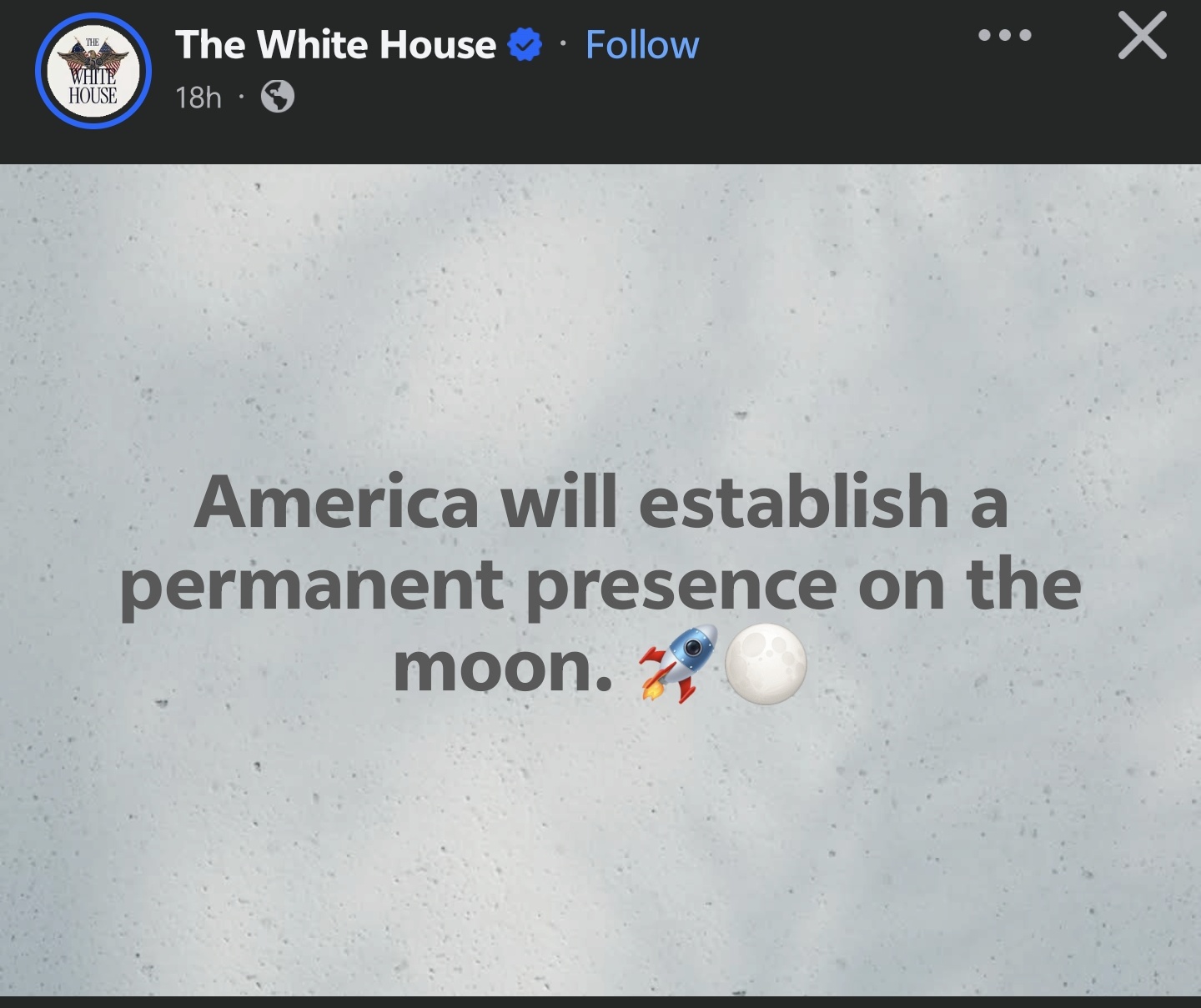
Administratsioon, kes ei saa isegi basseini värvimisega hakkama, soovib kuu peale minna. Ehk tuleks kuu enne ümber nimetada?
---
Ei saanud jätta Nobeli preemia võitjat ründamata
tsitaat:
President Donald Trump, who has long campaigned to win the Nobel Peace Prize, reshared a Truth Social post Friday morning that attacked the Norwegian Nobel Committee and accused this year’s winner, South African human rights lawyer Navi Pillay, of being an “unabashed hater of America and Israel.”
On suht selge, et ei putinile ega Trumpile ei lähe mitte midagi korda, mis toimub peale 3.novembrit. Seda lubadust pole võimalik pidada ja ilmselgelt ei peeta ka. Ainult hakatakse Ukrainat pressima, et nad ei ründaks venelaste naftatöötlustehaseid.
California osariigi kütusekriis (regulatiivselt kõrgemad hinnad ja rafineerimistehaste ideoloogiline sulgemine) on nüüd küll rohkem demokraatide pärusmaa, sest ajalooliselt on California demmide kants.
Senise 20% impordi asemel hakatakse Indiast importima 40% kütustest. Ja India kütused on suures osas rafineeritud Venemaa toornaftast..
Esiteks on see suht perversne juba oma olemuselt, teiseks võib mõelda, mis saama hakkab, kui see tarneahel peaks katkema..
Kas see kütusekriis puudutab ka sealseid EV omanike?
Kui sa lendad elektri lennukitega, ja sõidad elektri laevadega jne, ja parimal võimalikul juhul (loodan südamest) sa elad koopas ja kannad loomamanahku, siis ei sind see ei puuduta _________________ So, at the end of the day, after I have butchered all the nvidiots all around me, standing alone in a pool of blood surrounded by the corpses of my victims, a horrible truth reveals itself to me: I am an amd\ati fänboy...and I must do my dark masters bidding, for I am damned for all eternity...
The evidence that Trump is a Russian asset is overwhelming. It can only be dismissed by a MAGA cultist or a person completely ignorant of Trump’s decades of pro-Russian utterances, policies as president and the massive paper trail of Trump’s financial dealings with the Russian mob and the Russian government.
Most telling of all are the denials. Trump will raise the topic of his relationship with Russia out of the blue — and then deny it. That’s always a clear sign that Trump is lying, because he mentions then denies everything he’s guilty of. Trump summarises his collusion with America’s traditional enemy as “Russia, Russia, Russia,” and the MAGA cultists parrot it like a mantra.
To the shock and dismay of America’s European allies, Trump invited Vladimir Putin to the upcoming G20 summit while disparaging NATO member nations. Meanwhile, ominous rumours that Putin is considering attacking one or more NATO countries are being taken seriously in diplomatic circles. If war with NATO is Putin’s aim he will probably never have a more favourable moment than now, thanks to Trump.
To the shock and dismay of everyone in the world, Trump dismissed a recent report that a 28-year-old laboratory worker contracted pneumonic plague after Putin assured him it was under control. The mortality rate for pneumatic plague is almost 100% and America lacks sufficient antibiotics to treat its entire population. Trump then made the irrelevant observation that it was Putin’s birthday!
So where did Trump’s Russian obsession begin? Let’s start at the beginning.
1984: The Russian Mob Reaches out
They saw him coming from a mile away. Arrogant, corrupt, vain, womaniser, a glutton for flattery. But in the eyes of the smart and dangerous Russian mob, Donald John Trump possessed the two qualities that clinched the deal: he was a very stupid man who thought he was smarter than everybody else — and he needed money.
So they hid their money in plain sight with the world’s most famous businessman, a man many Americans mistakenly believed to be the world’s smartest businessman. It was the Orwellian year of 1984 when Trump became the Russian mob’s personal money laundromat.
“You need money, comrade Trump? Hold my vodka.”
Using a shell corporation, Russian mofioso David Bogatin bought five luxury condos in Trump Tower to launder money from a tax swindle. Trump personally oversaw the transaction. Trump was one of only two landlords in New York City who would permit such a shady transaction.
Bogatin didn’t need five homes all in one place. But he did need to invest the stolen money and run a prostitution ring out of at least one of them. Trump didn’t care. He looked the other way.
The Russian Mafia bought eight more condos in Trump Tower over the ensuing years.
Bogatin was convicted for the tax and money laundering scams three years later. He escaped but was eventually caught and jailed. New York prosecutors seized Bogatin’s five condos and considered going after Trump. In the end they decided not to.
They knew that Trump knew what Bogatin was up to. But they lacked the evidence to prove it in court.
Kenneth McCallion, a former assistant US attorney in the Reagan administration, had this to say about the Russian mob’s relationship with Trump: “They saved his bacon.” They were nice to him, flattered him, told him what he wanted to hear. Gullible Trump ate it up like so many Big Macs from McDonald’s and asked for more.
Bogatin was through with Trump, but the Russians weren’t.
In 1986, the Soviet Government invited Trump to come to Russia, all expenses paid, on the pretext of opening another Trump Tower in Moscow. The Soviets knew Trump was a shill for the Russian mob, and they thought he’d make a great asset for them too.
It worked. Trump began bashing NATO after he returned to New York.
1990–2004: Trump meets the Russian money machine
The Soviet Union collapsed. The oligarchs arrived. And Donald Trump, who had spent the late 1980s imagining himself as the builder of a Moscow skyscraper, found himself in a world where a man’s connections could be worth more than his buildings.
The new Russia was a paradise for the well-connected and a slaughterhouse for everyone else. State assets were sold off, fortunes appeared overnight, and men with links to the old security services apparatus acquired the money, muscle and political connections to become the new aristocracy.
Trump wanted a piece of it.
His proposed Russian developments came to nothing. There was no Trump Tower Moscow in the 1990s, no grand Russian property empire. But the absence of a completed building should not obscure the more interesting story. Trump kept returning to the idea of selling his name as a brand, and the people and money surrounding his American business empire increasingly included powerful men from the former Soviet Union.
In 1996, Trump returned to Moscow to explore development opportunities. He discussed luxury residential buildings, registered his name as a trademark and pursued potential partners. He spoke enthusiastically about the city’s commercial potential.
Again, the buildings never materialised. But the Russians learned a lot about Trump.
The relationship between Trump and the Russian market did not depend on Trump owning a skyscraper in Moscow. Russian and former Soviet citizens could buy apartments in his American buildings. Developers with connections to the region could become his business partners. And a Trump property could offer a prestigious address in the United States.
The question, as far as the Russians were concerned, was never whether Trump could build in Russia. It was whether Russia could make intelligence capital out of Trump.
2005–2008: Following the money
In 2005, Trump gave New York development company Bayrock Group an exclusive arrangement to explore a Trump-branded project in Moscow. Bayrock’s founder, Tevfik Arif, was born in Soviet Kazakhstan. One of its executives, Felix Sater, had been born in the Soviet Union and later became a cooperating witness for American law enforcement.
Sater was a convicted felon. In 1998, he pleaded guilty in a New York stock-fraud case involving a criminal enterprise that routinely used violence and threats to increase profits. He subsequently assisted American authorities as an informant.
Throughout his career, these were the kinds of people Trump did business with. Trump associates were shady at best and convicted criminals at worst. Trump himself eventually became a convicted felon, of course. The association raised legitimate questions about the quality of the people Trump trusted as business partners. The FBI took note.
Bayrock and the Trump Organisation went on to develop Trump SoHo in Manhattan, a luxury condominium hotel that opened in 2008. The project involved other developers and investors, including the Sapir Organization.
And then came the confession that was not quite a confession.
In September 2008, Donald Trump Jr, an executive in the family business, spoke at a real-estate conference in New York. He described the importance of Russian buyers to the family’s property interests.
“Russians make up a pretty disproportionate cross-section of a lot of our assets,” he said. “We see a lot of money pouring in from Russia.”
There it was, straight from the mouth of the heir apparent. Not a secret intelligence report, not an anonymous source, not a conspiracy theory. A senior Trump executive describing the importance of Russian money to the family business.
The statement did not establish that the money was criminal, or that the Russian buyers were acting on behalf of the Kremlin. It established something more modest but still important, that the Trump Organization had a commercial interest in Russian wealth, the Trump family knew it, and Trump knew it.
And yet Trump has always denied it.
In 2008, Trump sold Maison de L’Amitié, his Palm Beach mansion, to Russian billionaire Dmitry Rybolovlev for an eye-popping $95 million. Trump bought the property for approximately $41 million only three years earlier.
The extraordinary price and the buyer’s wealth meant the deal was yet another episode in the growing catalog of Russian money entering Trump’s orbit. Since money is more important to Trump than anything else, it went a long way in further fueling Trump’s Russian bias.
Trump’s business empire was international. Its customers could come from anywhere. The danger lay not in the nationality of every purchaser but in the possibility that a businessman dependent on wealthy foreign clients might acquire interests that conflicted with the responsibilities of a future president.
For a man who would later insist that Russia had nothing to do with him, Trump’s growing portfolio involving Russian money was becoming inconvenient, to say the least.
2009–2012: The Moscow Trump Tower dream refuses to die
Trump continued to pursue international projects, including opportunities in the former Soviet Union. His name was a brand, and his preferred business model was to license it to developers who could provide the land, capital and local connections.
That model had an obvious attraction. Trump could profit from a building without necessarily having to finance and construct the whole thing himself. But it also meant that his commercial fortunes could become intertwined with partners whose sources of wealth and political connections were not always transparent to the public.
The distinction matters. There is no established evidence that every Russian investor in a Trump property was a criminal, much less an agent of the Russian state. The point is that Trump’s business model placed a premium on wealthy buyers and well-connected intermediaries, sometimes in places where the boundary between private wealth and political power was unusually blurry.
These facts made Trump very interesting to Vladimir Putin’s government.
In 2010 it was uncovered that financing for the Trump International Hotel and Tower in Toronto, Canada, was connected to a wider chain of business transactions involving Canadian developer Alexander Shnaider. Shnaider sold his interest in a Ukrainian steel company to a Russian state-owned bank.
Reporting on the transaction raised questions about the flow of money through the former Soviet business world. It was another reminder that the Trump brand operated within a commercial ecosystem in which Russian capital played a substantial role.
The Moscow project remained elusive. Trump had the name, the ambition and the appetite. What he did not yet have was a finished Russian Trump Tower.
But in 2013, he would get something else, a stage on which to display his brand to Russian elites.
2013: Welcome to Moscow, Mr Trump
In November 2013, Trump brought the Miss Universe pageant to Moscow.
The event was organised in partnership with the Crocus Group, a major Russian development company led by Aras Agalarov. Agalarov’s son Emin, a pop singer, also participated in the arrangements. The event brought Trump into contact with even more Russian business figures and offered a spectacular advertisement for the Trump brand, Russian style.
The reported licensing arrangement was worth approximately $20 million. The pageant placed Trump in the company of powerful Russians at a moment when he was still looking for opportunities to build in their country.
Among the figures connected to the event was Agalarov, whose business interests gave him access to the Russian political establishment, and they to him. The pageant also became part of the chain of relationships that would resurface during Trump’s 2016 presidential campaign.
Trump’s appetite for celebrity and his appetite for money were perfectly aligned. Moscow offered both. There were wealthy people to impress, photographs to take and business opportunities to cultivate.
And in the midst of all there was Vladimir Putin, the Russian president who Trump increasingly grew to admire, even envy.
Putin, for his part, had reasons to welcome an American celebrity who praised him, criticised Western institutions and seemed fascinated by the glamour of authoritarian power.
So long before Trump became a presidential candidate, he had developed a network of business contacts inside Russia and an enthusiastic public interest in the country. That network soon became politically significant.
2014–2015: Trump turns his bias into everybody’s problem
By 2015, Trump had spent decades cultivating his public image as a man who could make deals that ordinary people couldn’t. He also developed a habit of treating the affairs of other countries as his own personal business.
Trump openly praised strongmen. He disparaged America’s allies. He spoke of NATO as a bad bargain and suggested that America’s traditional alliances should be judged like property investments.
What did Trump get in return? Who was paying him?
In July 2015, Trump announced his candidacy for the Republican presidential nomination.
The timing was interesting. The United States and its European allies were confronting an increasingly aggressive Russia. Moscow had annexed Crimea in 2014, and the conflict in eastern Ukraine had become a major international crisis. Western governments were imposing sanctions on Russia.
Trump, however, offered a different tone. He spoke admiringly of Putin’s leadership and suggested that the two men could get along.
The crucial question was whether the businessman who had spent years seeking Russian investments and doing business with the Russian mob could separate his commercial, and as it turns out, criminal ambitions from his presidential responsibilities. In Trump’s case the answer was clearly “No!” The American people had all the information they needed to reject Trump. What they lacked was common sense, and an American mainstream media that refused to expose it.
2015–2016: The tower that wouldn’t go away
Here is where the story gets interesting.
During his first serious presidential campaign, Trump repeatedly suggested that he had no meaningful business dealings with Russia. But at the very moment he was saying that his company was pursuing a Moscow development.
The proposed Trump Tower Moscow was not some dusty relic of an abandoned business plan from the 1990s. It was a live commercial project during the entire Trump campaign.
Michael Cohen, Trump’s personal lawyer and a senior executive in the Trump Organization, worked to advance the proposal. Felix Sater, the Russian-born businessman who had helped develop earlier Trump-branded projects, was involved too.
In 2015, Sater emailed Cohen about the Moscow project and boasted of his ability to help secure support from the Russian establishment. His communications reflected the extraordinary value he believed access to the Kremlin could have for the deal.
In January 2016, Cohen contacted Dmitry Peskov’s office. Peskov was Putin’s press secretary and a senior Kremlin spokesman. Cohen sought assistance with the proposed development, including land and financing.
Think about that for a moment. A presidential candidate’s personal lawyer was seeking help from the office of the Russian president’s spokesman to advance a commercial project in Moscow. The candidate’s company was pursuing the project while the candidate was campaigning for the most powerful office in the world.
In the end the tower was never built. But the effort to build it continued far longer than the public initially understood.
In November 2018, Cohen pleaded guilty to making false statements to Congress about the project. He admitted that his earlier account had understated how long the negotiations continued and how often he had discussed them with Trump. The project remained under consideration until approximately June 2016, after Trump had become the presumptive Republican nominee.
According to the court filing, Cohen had also discussed possible travel to Russia in connection with the development. Trump was briefed on the project’s status multiple times throughout his run for president.
These are documented facts, not speculation. They do not establish that Trump conspired with the Russian government to influence the election. But they do establish that his public campaign unfolded alongside a business effort that depended, at least in part, on potential assistance from people connected to the Russian state.
Trump’s company had an interest in the deal. Trump knew about it. His lawyer was seeking help from the Kremlin’s senior communications office.
And the American public was being told a baldfaced lie.
Sources: The Washington Post, reporting on Cohen’s guilty plea and the Moscow project; the Wikipedia timeline of Trump’s Russian business activities.
June 2016: The meeting in Trump Tower
On June 9, 2016, Donald Trump Jr, Jared Kushner and Paul Manafort met at Trump Tower in New York with a group of Russians that included lawyer Natalia Veselnitskaya.
The meeting followed an email exchange in which Trump Jr was told that the Russian government had information that could damage Hillary Clinton and that it was being offered as part of Russian government support for his father’s campaign.
Junior responded with raw enthusiasm. He wrote, “If it’s what you say I love it especially later in the summer.”
The meeting did not produce the promised trove of damaging information, of course, because Hillary Clinton was not embroiled in a scandal. But the emails and the meeting itself became central to the investigation of Russian interference in the election.
And it occurred in the same month that Cohen’s account of the Moscow real-estate project was still being pursued.
The juxtaposition was incredibly damaging. A campaign seeking the presidency, a family business still interested in a Moscow skyscraper, and campaign officials secretly meeting Russians who had advertised potentially damaging information about the Democratic candidate.
July–November 2016: Russia intervenes
In July 2016, American intelligence agencies publicly disclosed that Russia was a source of cyberattacks and interference surrounding the election, all on behalf of candidate Trump.
The investigation eventually established that Russian military intelligence officers hacked Democratic Party organisations and released stolen material. A separate Russian influence operation used social media, fake accounts and divisive political messaging to sow discord among American voters.
In January 2017, the US intelligence community assessed that Vladimir Putin had ordered the influence campaign aimed at the American election, with the goals of undermining confidence in the democratic process, damaging Hillary Clinton and improving Trump’s electoral prospects.
Too little too late. Trump had already been elected president.
The bipartisan Senate Intelligence Committee subsequently examined the evidence in detail. Its 2020 report supported the intelligence community’s central findings and documented extensive Russian interference in the 2017 election.
That conclusion is not a matter of partisan interpretation. The Russians interfered in the 2016 election on behalf of Trump. It is very likely that Trump would have lost had the Russians not interfered, and Trump would be a distant and unpleasant memory today.
And America would have had its first woman President.
The harder question concerned the relationship between that operation and the Trump campaign.
The investigation uncovered numerous contacts between campaign associates and Russians. It also documented the Trump campaign’s interest in the possibility of obtaining politically useful information from Russia.
Special Counsel Robert Mueller’s report confirmed the intelligence community’s Russian interference, the campaign’s contacts with Russian-connected individuals and the business dealings that had continued during the campaign. It also noted ten instances of potential obstruction of justice on the part of Trump.
So the conclusions reached by Trump and his then attorney general Bill Barr, that there was “no collusion, no obstruction,” was a flat out lie.
Sources: US Senate Intelligence Committee, 2017 intelligence assessment; US Senate Intelligence Committee, five-volume report on Russian interference; US Department of Justice, Mueller report.
2017–2019: The investigation and the denials
Once Trump became president, the questions surrounding Russia became a constitutional and political crisis.
Trump repeatedly attacked the Mueller investigation, denounced it as a “witch hunt” and disputed the intelligence community’s conclusions. His public statements about Putin and Russia frequently appeared at odds with the position taken by American intelligence agencies and traditional US allies.
In 2018, Trump met Putin in Helsinki. At the joint press conference, Trump publicly questioned the American intelligence community’s conclusion that Russia had interfered in the 2016 election, deciding instead to side with the Russian dictator. T
For Trump critics, Helsinki was the defining image of Trump’s relationship with Russia. It was clear that Trump valued the word of a known murderer and tyrant over all 17 of his intelligence agencies. Trump partisans yawned, or slinked away in embarrassed silence.
Meanwhile, Michael Cohen’s admissions about Trump Tower Moscow had already demolished one particularly convenient impression that Trump’s Russian business interests had ended long before his presidential campaign began.
The pattern behind the evidence
What, then, can we responsibly conclude?
I don’t think Trump secretly trained as a Russian agent. I think he gradually grew into the role. Whether or not he thinks of himself as a Russian asset is beside the point. The fact remains that Trump behaves as if he is, and the effect on American democracy has been devastating.
To this day Trump continues to openly admire Putin, disparage NATO and question the necessity of America’s traditional alliances. It doesn’t matter to Trump that Russia has helped Iran kill American soldiers in Iran. Unlike Trump’s MAGA constituents, in fact, Russia has largely emerged as the primary strategic and economic beneficiary of the war in Iran.
Trump has proven to be Putin’s greatest single asset.
Michael Cohen wrote that Putin is everything Trump wants to be, rich, all-powerful and deeply feared by his enemies. Say what you like about the double-defector Cohen, I think he got it right.
By itself, Trump’s infatuation with Vladimir Putin makes him dangerous. When you combine it with the power of the presidency, it makes Trump an existential national emergency that simply must be taken seriously if America hopes to survive.
Robert F Kennedy Jr allegedly allowed over $800,000 in taxpayer money to go to a research project with ties to the Siberian lab behind the possible Russian plague outbreak.
Pole kahtlustki, et vana on venelaste mõjuagent, olgu siis tahtlikult või tahtmatult _________________ Alati teadke, et kuulujutte mõtlevad välja vihkajad, levitavad lollid, aga usuvad idioodid.
Korralik rapsimine käib vahevalimiste eel, Iraani debiilsust ei saa ju ometi omaks võtta ning asjad pakkida, see seaks ka kõik tulevased valimised 100% ohtu
Muidugi Eesti peaks suht kuss olema kritiseerimisega, Silmeti valguses ja ei saa isegi piire kinni pandud
sa ei või postitada uusi teemasid siia foorumisse sa ei või vastata selle foorumi teemadele sa ei või muuta oma postitusi selles foorumis sa ei või kustutada oma postitusi selles foorumis sa ei või vastata küsitlustele selles foorumis sa ei saa lisada manuseid selles foorumis sa võid manuseid alla laadida selles foorumis
Hinnavaatlus ei vastuta foorumis tehtud postituste eest.

 :: KKK
:: otsing
:: KKK
:: otsing  :: statistika
:: kasutajate nimekiri
:: kasutajate grupid
:: registreeri
:: statistika
:: kasutajate nimekiri
:: kasutajate grupid
:: registreeri












 teata moderaatorile


 Spoiler